AR8 and the Hiring Clock: What the Next CfD Round Means for Offshore Wind Recruitment
With AR8 results expected early in 2027, offshore wind developers face a familiar question: when should they start hiring? We look at how a CfD award turns into recruitment demand, and why getting the timing right matters more than ever.
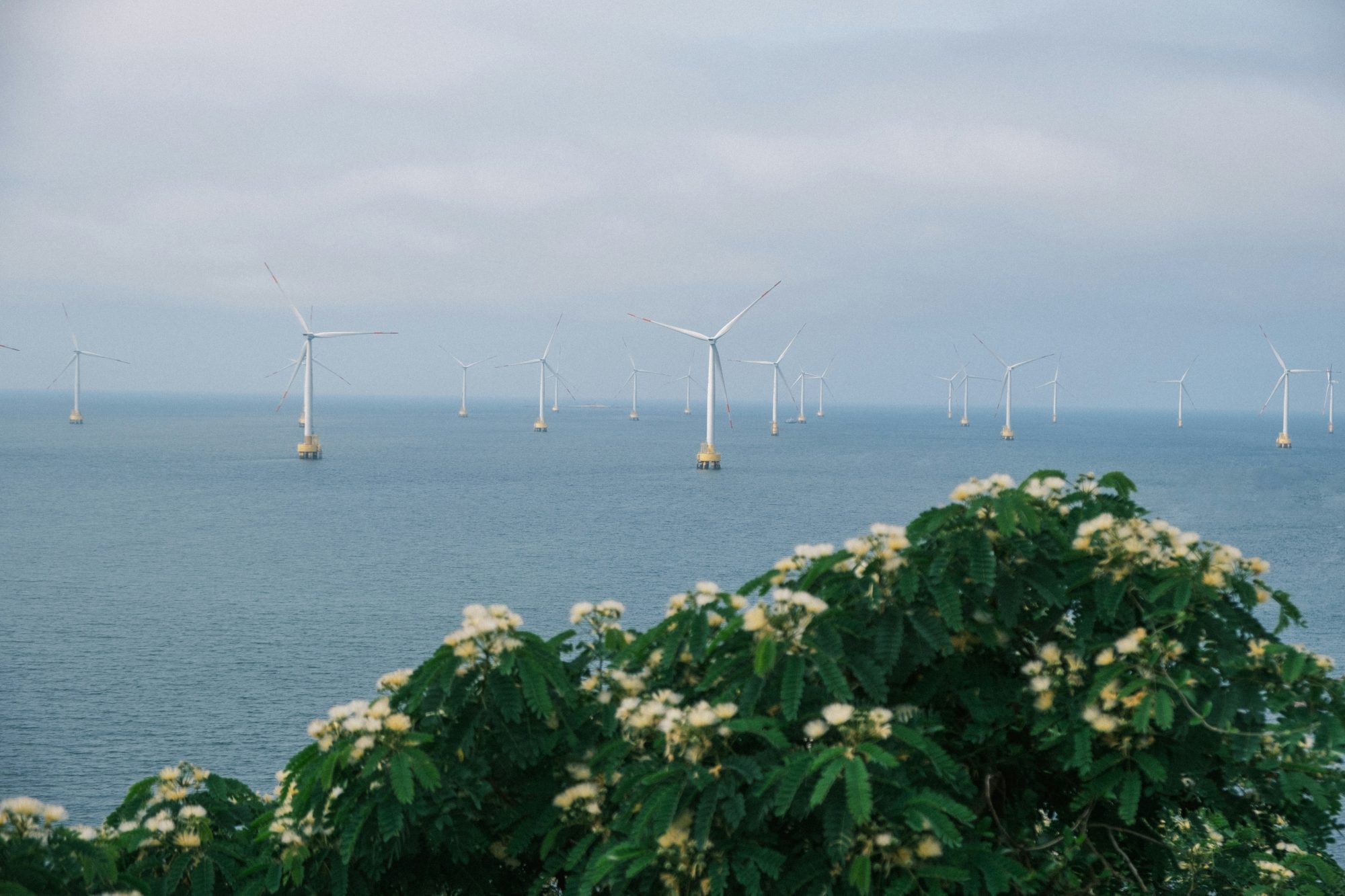
The eighth Contracts for Difference allocation round, Auction Round 8 (AR8), is entering its final stage. The government published the contract budget on 19 November, sealed bids are due in early December, and results are expected early in the new year. More than 17GW of fixed-bottom offshore wind was eligible to compete, alongside floating projects, onshore wind and solar.
Most AR8 commentary focuses on strike prices and capacity. We thought it would be worth focusing on what happens after the results: when contracts turn into projects, and projects turn into hiring demand.
Why AR8 matters
AR8 follows a record-breaking AR7, which secured 14.7GW of capacity, including more than 8GW of offshore wind. This round also brings changes that will shape which projects move forward:
- Five separate pots, including a dedicated pot for floating and "other deepwater" offshore wind
- Location-based clearing prices for offshore wind, depending on where projects connect to the grid
- Government visibility of anonymised bids, so budgets can be adjusted once ministers see the bid stack
In practice, this should give a clearer picture of which projects win and which don't. For hiring, that clarity matters. A CfD award is the point where a development team becomes a delivery organisation.
From CfD to first power: the hiring sequence
Every successful project follows a broadly similar path, and each stage brings its own recruitment needs.
Before the award: development, consents, grid and commercial specialists building the bid. These teams are lean and experienced, and are usually in place well before the auction.
From CfD to financial close: this is where hiring starts to accelerate. Developers need:
- Project finance and commercial managers
- Procurement, contracts and package managers
- Supply chain and owner's engineering specialists
- HSE and quality leads
Construction: offshore construction managers, marine coordinators, interface managers and client representatives. Many of these roles are contract or interim, and many are needed at the same time.
Operations: asset managers, O&M leads, control room staff and technicians. These are the long-term permanent roles, but far fewer in number than the construction peak.
RWE's Vanguard West and East projects in Norfolk show the timeline well. They secured CfDs in AR7 in January 2026, reached financial close in November 2026, start construction in 2027 and are due to be commissioned in 2030. In under a year, the projects moved from contract award to one of the largest financings in UK offshore wind, and the delivery team has to be in place to match.
The pinch point: AR7 and AR8 projects hiring at the same time
This is the issue we expect to define 2027. AR7 projects are now moving through financial close and into construction. AR8 winners will move into pre-FID delivery planning at the same time. Both will be looking for the same people.
Supply is already tight. Industry research suggests the UK offshore wind workforce may need to more than double by 2030, and developers across Europe are competing for the same experienced talent. Moving to annual auction rounds helps with pipeline visibility, but it also means demand will be continuous rather than cyclical.
What this means for developers
For developers bidding into AR8, the time to plan hiring is now, before the results.
- Map roles to milestones. Know which hires are needed at award, at FID and at construction start, and start the search for critical roles early. Senior searches can take three to six months.
- Secure key hires before FID, not after. The people who shape procurement and contracting decisions add the most value early.
- Plan your contract and permanent mix. Use interim and contract specialists for the construction peak, and permanent hires for the capabilities you'll need long-term.
- Widen the talent pool. Oil and gas, interconnectors, civil infrastructure and nuclear all have people with transferable skills, if you know where to look and how to assess them.
- Have a plan if the bid falls short. Think about how you'll keep a strong development team together for the next round.
A note for candidates
CfD results tend to trigger movement across the market, as winning projects build teams and others reshape theirs. If you're an experienced professional in offshore wind or a related sector, the first half of 2027 is likely to bring more opportunities, and stronger competition for the best roles.
Talk to us
Ventus International works with developers, investors and the supply chain across UK and European offshore wind, from senior executive search to contract delivery teams. If you're planning your post-AR8 hiring, or thinking about your next move, we'd be glad to talk.