Realism and Resolve: Reflections from Floating Offshore Wind 2026
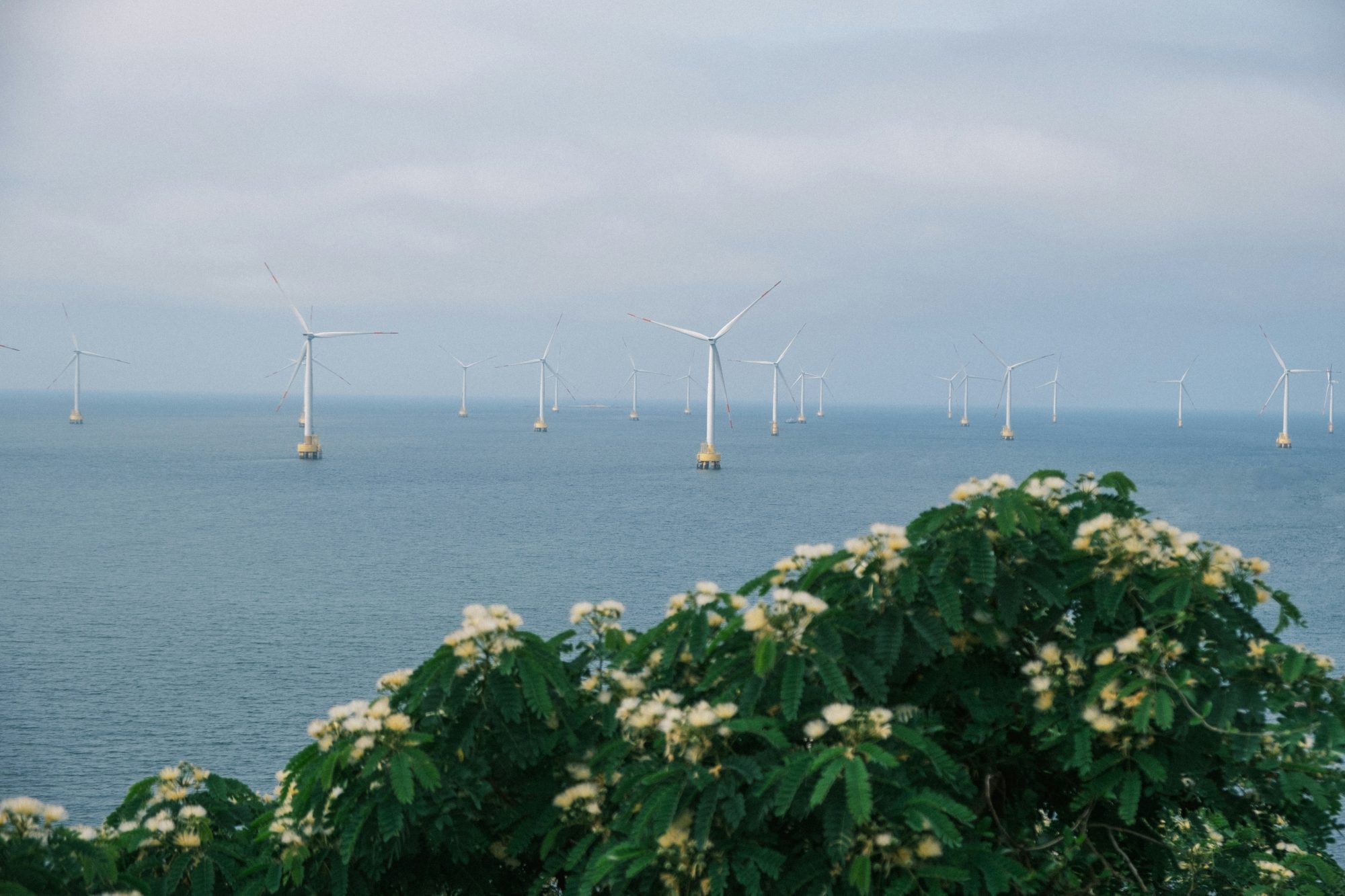
Duncan Martin reflects on Floating Offshore Wind 2026 in Aberdeen, where a more realistic tone on ScotWind was matched by a clear determination to keep Scotland at the front of the global floating wind race.
By Duncan Martin, Director
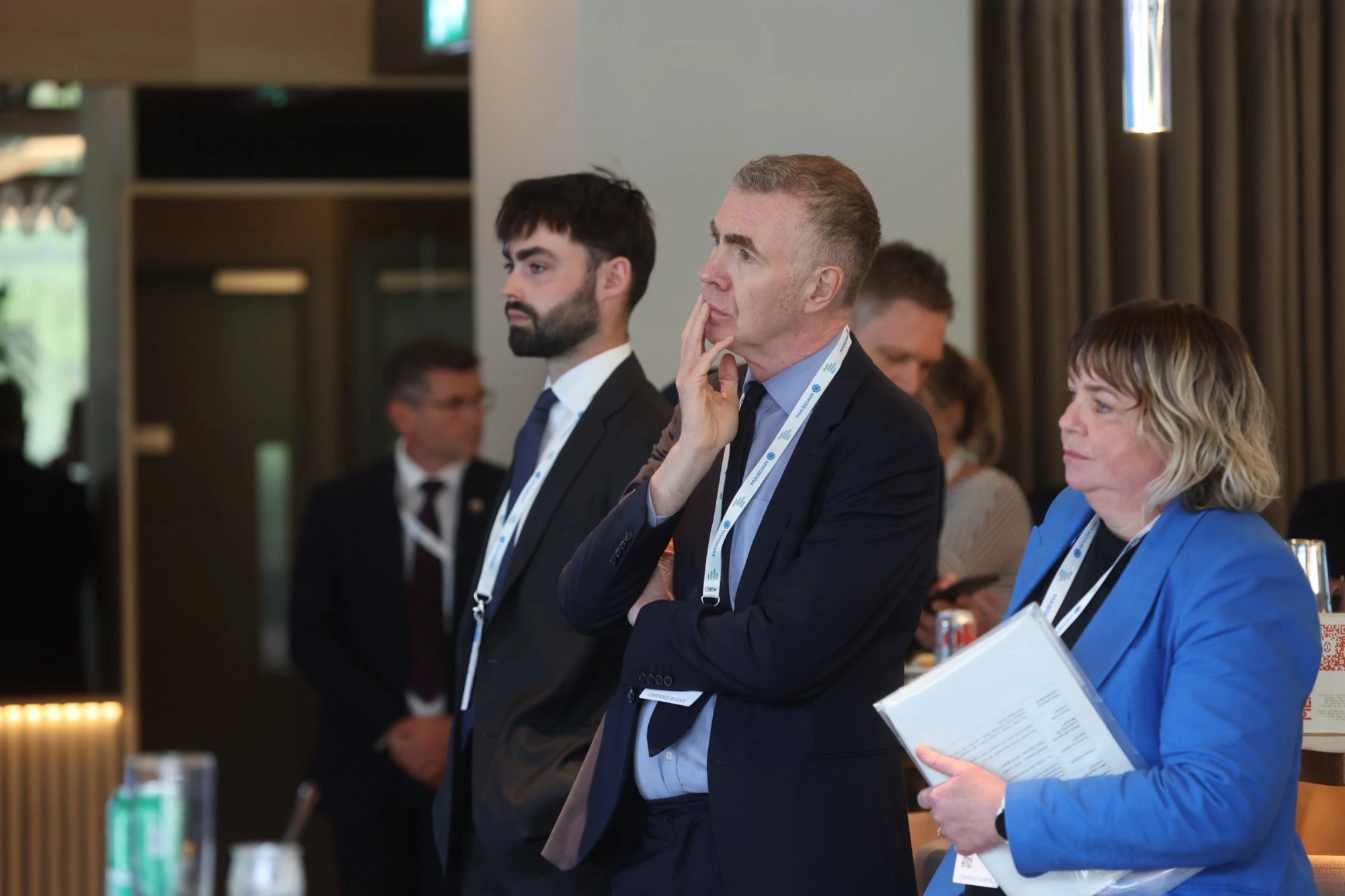
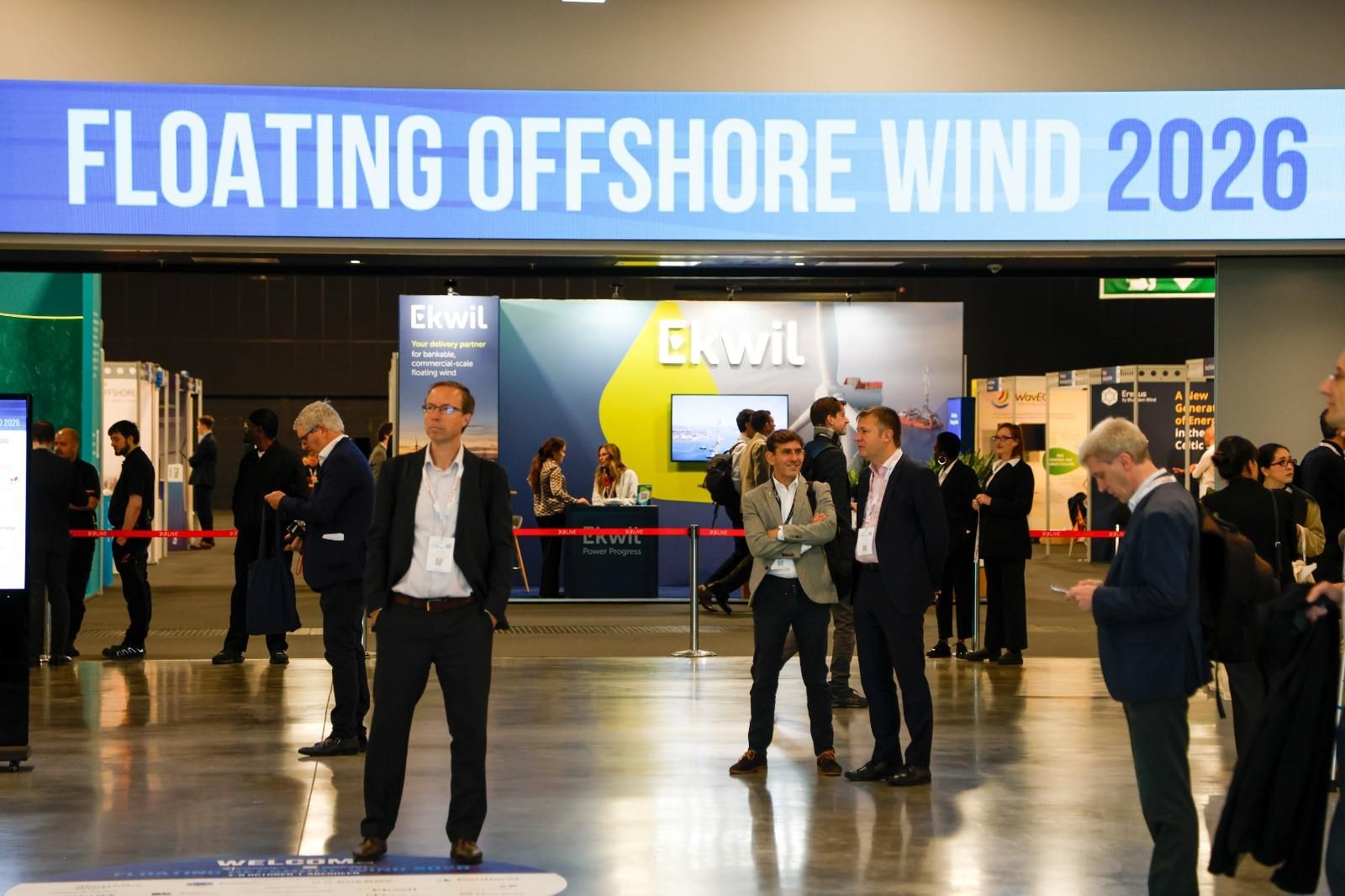
On 7 and 8 October I was back in Aberdeen for Floating Offshore Wind 2026, co-hosted by RenewableUK and Scottish Renewables. It's the world's largest dedicated floating wind event, and always one of the most important dates in our calendar.
A more realistic conversation
This year felt different. In previous years, the mood around floating wind was driven by the scale of leasing round allocations (namely ScotWind, INTOG and, more recently, Round 5). This time, the conversation was noticeably more grounded, following a year of setbacks to the technology.
There was open acknowledgement from the stage that the sector had overpromised in places, and that not every ScotWind project will make it through. Familiar challenges came up again and again: the cost of capital, grid upgrades and transmission charges, and the classic 'chicken-and-egg' problem of developers waiting for a supply chain while the supply chain waits for firm orders.
I actually found that honesty refreshing. A clear-eyed view of the challenges is a far better starting point than optimism that doesn't survive contact with reality.
Still a real opportunity
Despite the headwinds, nobody I spoke to was writing floating wind off. Angela Hepworth, Chief Executive of Scottish Renewables, described a "time-limited opportunity" for Scotland to lead globally, and that captured the mood well. The opportunity is real, but so is the competition, with markets in Asia and Europe moving quickly.
There were encouraging signs, too. Supply chain investment is starting to land, including Sumitomo Electric's subsea cable factory at Nigg, and partnerships like Pentland's work with Stiesdal on steel foundations show the kind of collaboration that can move the industry forward. Scottish Renewables also set out plans to work with members on identifying the most viable ScotWind projects and pairing them with ports, giving government a clearer picture of where to focus.
What it means for talent
From a recruitment perspective, a period of consolidation changes the shape of hiring rather than stopping it. The projects that progress will need strong, experienced teams, particularly in finance, commercial, consenting and supply chain roles, where the ability to de-risk a project and get it to investment decision is everything.
It also puts a premium on leadership. In a tougher market, the organisations that succeed will be the ones with people who can make the case to investors, government and communities, and then deliver.
Thank you
Thank you to RenewableUK and Scottish Renewables for another excellent event, and to everyone who took the time to chat. If you're building a team for the next phase of floating wind, or thinking about your next move in the sector, I'm always happy to talk.