Common Ground in Aberdeen: Jobs, Supply Chain and the Energy Transition
Director Duncan Martin reflects on a positive first day at SPE Offshore Europe in Aberdeen, where renewables and the energy transition took a larger share of the conversation than ever, alongside a clear consensus on protecting jobs and the British supply chain.
By Duncan Martin, Director
I had a really positive first day at SPE Offshore Europe in Aberdeen this week.
Held at P&J Live from 2 to 5 September, Offshore Europe is one of the biggest events in the offshore energy calendar. This year's theme, "Unlocking Europe's Potential in Offshore Energy", set the tone for a week of important conversations about the future of the North Sea.
A changing conversation
The last time I attended Offshore Europe was six or seven years ago, so I was keen to see how things had moved on. The biggest change was obvious from the moment I walked in: renewables and the energy transition now take up a much larger share of the conversation.
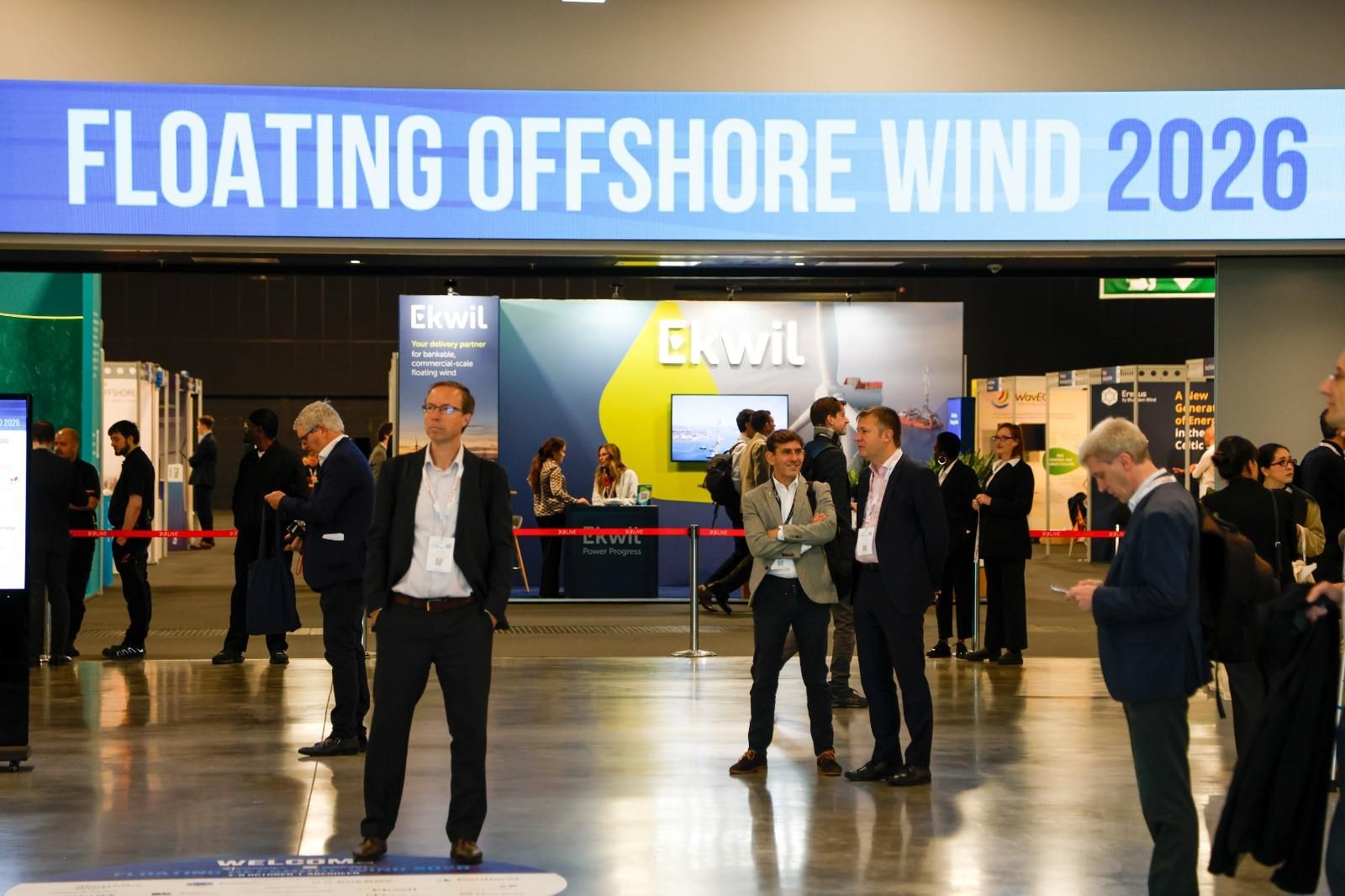
With dedicated spaces for offshore wind, hydrogen and the energy transition alongside the traditional oil and gas exhibition, the event now reflects the full breadth of the offshore energy sector.
What I valued most was hearing a broader range of views than I typically get at the renewables-specific events I attend. Bringing operators, the supply chain, policymakers and renewables developers into the same room makes for a more honest and rounded discussion about how we get from where we are today to where we need to be.
High-level engagement
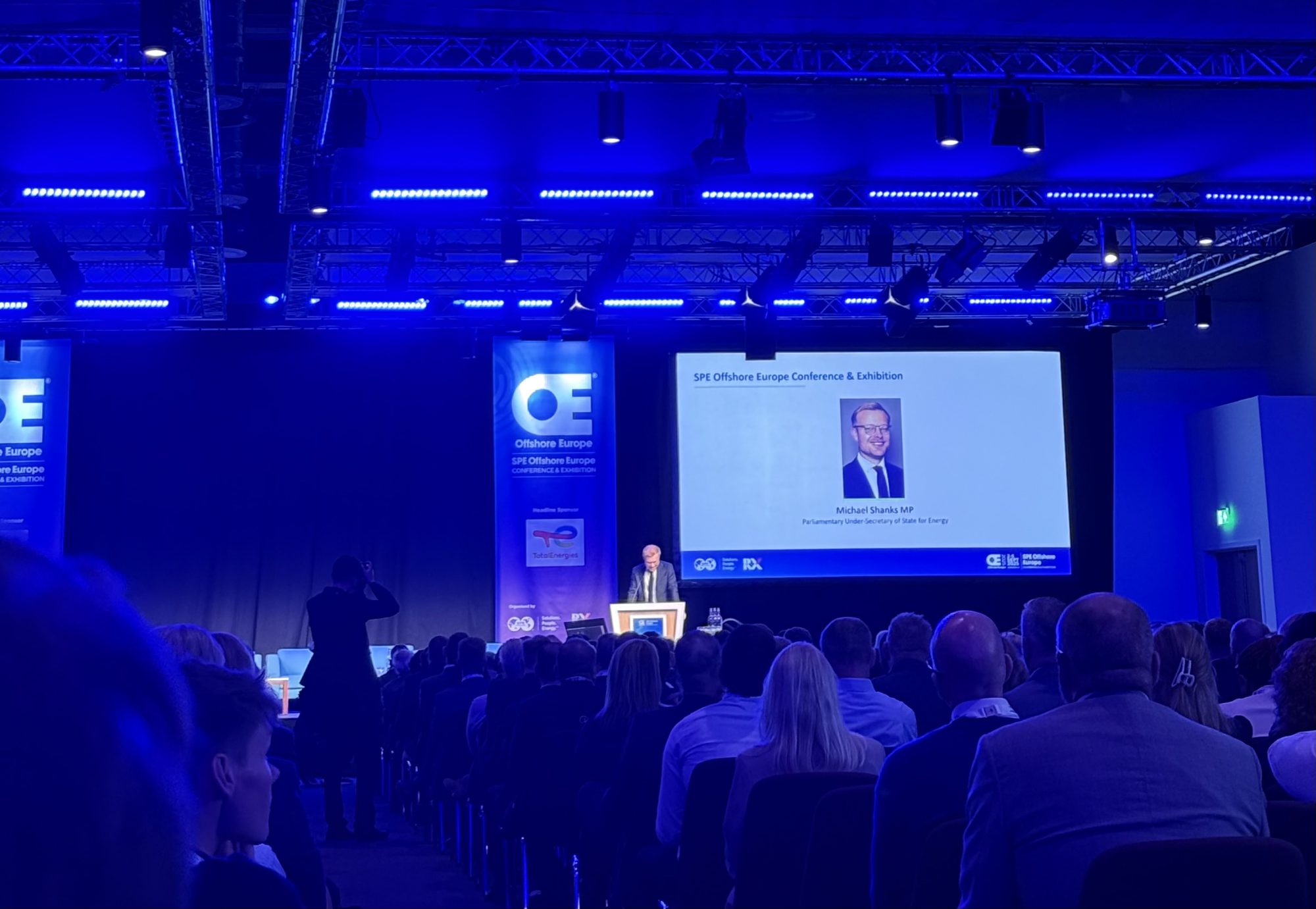
High-level political engagement set the tone for the week. UK Energy Minister Michael Shanks MP; Scotland's Deputy First Minister and Cabinet Secretary for Economy and Gaelic, Kate Forbes MSP; and Leader of HM Opposition, the Rt Hon Kemi Badenoch MP, each delivered keynote speeches to more than 700 attendees on opening day.
The opening session also featured a virtual contribution from Andreas Bjelland Eriksen, Norway's Minister for Climate and the Environment, alongside industry perspectives from Louise Kingham, Senior VP Europe and Head of Country at bp, and David Whitehouse, OE25 Conference Chair and Chief Executive of Offshore Energies UK.
Also among the speakers were Juergen Maier, Chairman of GB Energy, and Claire Coutinho, Shadow Energy Secretary.
Having government, opposition, industry and GB Energy all represented on the same stage was a clear sign of how central the North Sea remains to the UK's energy future, whatever your view on how the transition should be managed.
Common ground
For all the different perspectives, there was clear consensus on one point: we need to secure a clean energy future that doesn't come at the expense of jobs and a strong British supply chain.
The skills, experience and infrastructure built over decades in the North Sea are a huge national asset. Making sure they carry through into the industries that come next is one of the biggest opportunities, and responsibilities, the sector faces.
Where Ventus fits in
Since we set up Ventus, we've been proud to support companies looking to transition from their oil and gas roots through long-term strategic hiring. Bringing in the right leadership is often the difference between a transition strategy that stays on paper and one that delivers.
We've also worked with a number of businesses actively delivering electrification projects to decarbonise platforms in the North Sea, one of the clearest examples of how oil and gas and the energy transition are already working hand in hand.
Let's talk
If you're interested in discussing how we can help your business address executive hiring constraints, do feel free to reach out. I'm always happy to chat.